

Updated January 2026: We have updated the article with the latest advancements in assistive technologies for seniors, including smart locks, wearable health monitors, virtual care platforms, and AI-enabled safety systems. The update also highlights new trends in remote patient monitoring, low but increasing adoption of AI for operational improvements, and expanded integration of sensor and robotics technologies in memory and long-term care.
White Oak Nursing Homes: A Trusted Choice in Elder Care
Navigating the complexities of elder care often leads families to consider reputable options such as White Oak nursing homes. Known for their esteemed presence in the Southeastern United States, particularly in North and South Carolina, White Oak has built a reputation as a trusted name in senior care. The facilities are celebrated for their commendable commitment to providing holistic care that enhances the quality of life for their residents. According to White Oak Management Inc., the mission revolves around fostering an environment that prioritizes residents’ well-being through compassionate care.
Overview of White Oak Nursing Homes
White Oak nursing homes possess a rich history and a mission deeply rooted in enhancing residents’ well-being through compassionate care. Operating numerous facilities across North and South Carolina, White Oak’s notable locations include Columbia, North Charleston, and Spartanburg. Each facility is designed to meet diverse senior care needs. According to White Oak Management Inc., these facilities commit to supporting the physical, emotional, and spiritual needs of their residents. Many testimonials from families and residents consistently praise the dedicated staff and the welcoming, community-like atmosphere that fills these homes.
Quality Ratings and Resident Experiences
Quality ratings are pivotal when evaluating potential nursing homes. White Oak facilities tend to maintain high standards, evidenced by favorable Medicare ratings and rigorous inspection outcomes. For example, according to ProPublica Nursing Home Inspect, White Oak Manor in Columbia showcases staffing levels of 3.53 nurse hours per resident per day, with a nurse turnover rate significantly lower than the state average. Such statistics underscore their commitment to consistent, quality care.
In North Charleston, White Oak Manor operates with an occupancy rate of approximately 82.5%, reflecting the facility’s ability to attract and retain residents, as reported by Elder Guide. Residents frequently describe positive staff interactions, which enrich their overall experience, resulting in a vibrant and supportive community atmosphere.
Costs, Programs, and Services Offered
White Oak facilities offer a comprehensive range of services, from short-term rehabilitation to long-term skilled nursing and specialized memory care programs. In alignment with regional averages, the cost of care ranges from $7,000 to $9,000 per month. White Oak facilities accept private pay, insurance, and Medicaid, allowing accessibility for many families, as outlined by Assisted Living Magazine. Their programs emphasize resident autonomy and mobility, with personalized care plans crafted by interdisciplinary teams, ensuring tailored care to meet individual needs (White Oak Management Inc.).
Recent advancements in elder care at White Oak facilities include the expansion of assistive technologies and smart devices that promote independence and safety. The integration of smart locks, voice-activated door openers, video doorbells, and remote monitoring systems now supports residents with mobility limitations, paralysis, or amputations, allowing for improved independence and security (EverythingMedicalOnline.com). Memory care programs have incorporated sensor-based safety systems, wearable technology, and therapeutic virtual reality to enhance monitoring and reduce fall risks among residents (CognitiveMarketResearch.com).
Smart wheelchairs, voice-activated digital hubs, and wearable health monitors powered by artificial intelligence continue to play an active role in daily mobility support, proactive health tracking, and improved communication with caregivers. Smart beds equipped with sensors and responsive systems contribute to fall prevention and pressure injury reduction, while robotic companions offer social support to help alleviate isolation (BridgeSeniorLiving.com; Western Governors University Blog).
The adoption of remote patient monitoring, wearable sensors, and virtual care platforms has become increasingly standard in senior care delivery. These technologies provide staff with real-time access to vital signs and health data, directly linked with residents’ electronic health records (EHRs). This approach enables proactive health management, improved coordination, more timely intervention, and reduces unnecessary hospital visits and caregiver burden (MyCareConcierge.org; BridgeSeniorLiving.com).
AI adoption in nursing facilities remains relatively low, but is gradually increasing. AI-powered systems are now being used for fall detection, pressure ulcer prevention, infection monitoring, and predictive analytics that allow for earlier interventions (ProviderMagazine.com). Additionally, robotics in rehabilitation are used for mobility support and safer transfers, while therapy robots assist in both physical and cognitive rehabilitation. These advances are enhanced by updated regulatory frameworks and federal incentives that aim to broaden access and affordability for assistive technologies (Attentive Home Care; NextMSC.com).
Compliance with recent Centers for Medicare and Medicaid Services (CMS) regulations is central to care at White Oak. The CMS April 2025 updates require admission agreements to exclude third-party payment guarantees, ensure increased nursing service oversight via Payroll Based Journal (PBJ) data, require informed and documented resident consent regarding psychotropic medications, and emphasize health equity within quality assurance and performance programs. Updated CPR certification aligned with national standards has also become mandatory. Collectively, these measures are designed to strengthen resident rights, staffing levels, ethical medication practices, and overall safety (Sandberg Phoenix; Justice in Aging; Hall Render; Consumer Voice PDF).
Choosing the Right White Oak Facility
Selecting the most suitable White Oak facility involves a careful assessment of specific needs and preferences. Prospective residents and their families should consider factors such as facility location, available services, and individual care requirements. Inquiries during facility tours could include questions about staff-resident ratios, specialized care program availability, and insight into current waiting lists, as suggested by Elder Guide. Success stories often highlight the importance of thorough research and open communication with facility administrators.
When comparing White Oak facilities or exploring other senior care options, it is vital to ask about the implementation of AI-enabled assistive devices, robotics for mobility and rehabilitation, wearable health monitors, sensor systems, and digital hubs within the care program. Understanding how these advanced solutions are integrated into resident care ensures that services are personalized, proactive, and safe (ProviderMagazine.com; McKnights.com; Synchrony Florida).
Mobility and Independence through VELA Chairs
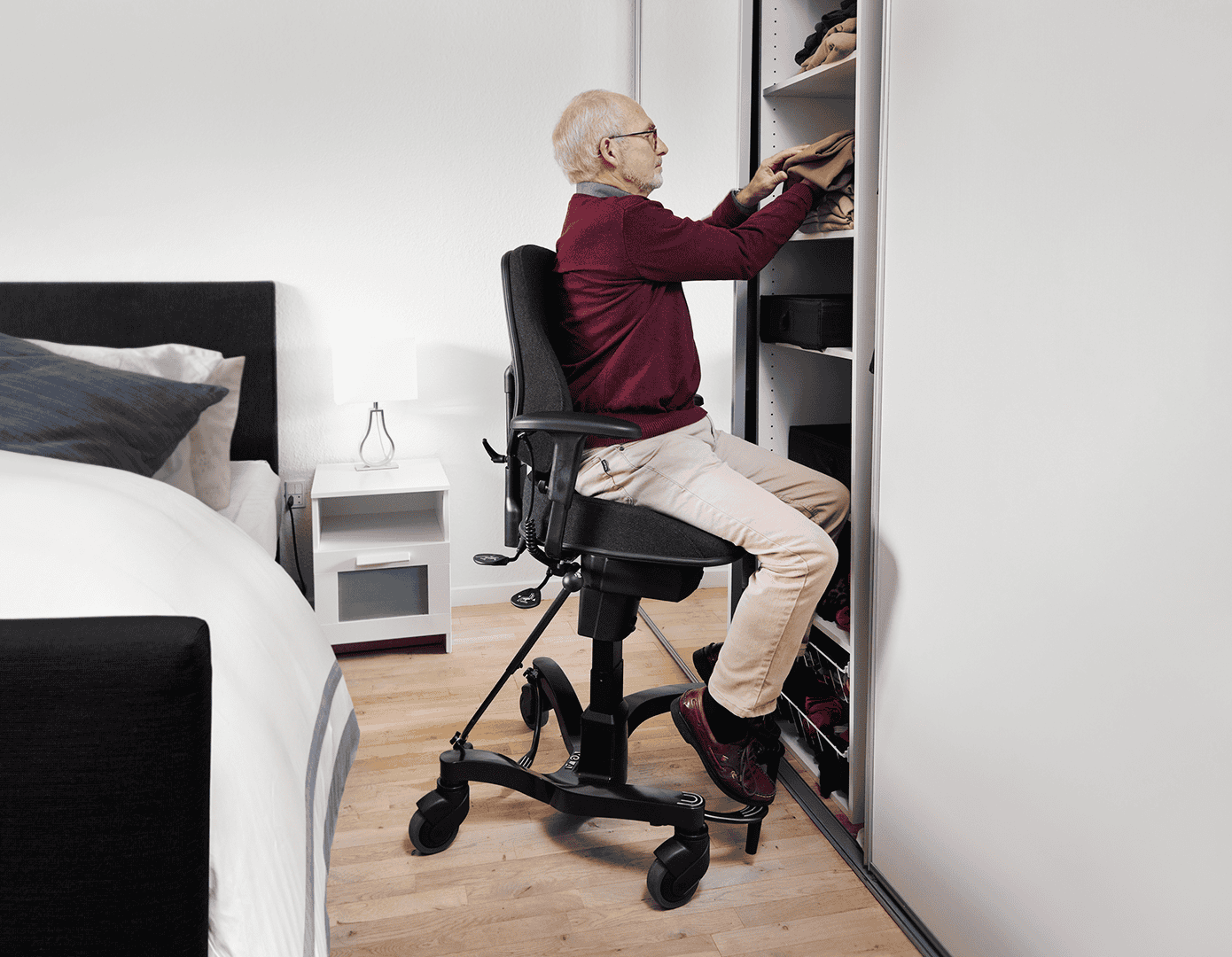
While nursing homes like White Oak offer comprehensive care, the transition can be challenging for some seniors accustomed to the comfort and familiarity of their homes. Solutions that support aging in place, such as the VELA Independence Chair, present viable alternatives. VELA chairs are medically approved mobility aids designed for home use, delivering safety and freedom of movement. These chairs assist with daily activities, providing stability and reducing the reliance on caregivers, making them an effective tool for those aiming to retain their independence.
- MyCareConcierge.org, “How Technology will Transform Senior Care in 2025” (Feb 2025)
- EverythingMedicalOnline.com, “The Latest Trends in Mobility Aid Technology for 2025” (May 2025)
- CognitiveMarketResearch.com, “Assistive Technology Market Report 2025” (Jul 2025)
- ProviderMagazine.com, “Long Term Care 2025 Trends and Outlook” (Jan 2025)
- NextMSC.com, “Disabled and Elderly Assistive Device Market 2025–2030” (May 2025)
- BridgeSeniorLiving.com, “Senior Living Trends For 2025” (Nov 2024)
- McKnights.com, “Experts look ahead: Technologies that will help long-term care providers in 2025 and beyond” (Oct 2024)
- Synchrony Florida, “The Future of Home Health Care: Trends to Watch in 2025” (2025)
- Attentive Home Care, “The Future of Skilled Nursing: Technology Transforming Care” (2025)
- Sandberg Phoenix, “Major CMS Revisions to Nursing Home Surveyor Guidance” (2025)
- Justice in Aging, “New CMS Nursing Facility Guidance” (2025)
- Hall Render, “Nursing Home Update: CMS Extends Implementation Date of Surveyor Guidance Changes” (2025)
- Consumer Voice PDF, “Summary of CMS’s Revised Guidance for Nursing Home Surveyors” (2025)
- Western Governors University Blog, “6 Technologies Transforming Patient Care” (2025)