

Updated January 2026: We have updated the article to reflect the recent repeal of 2024 CMS minimum staffing requirements for nursing homes, the expanded integration of AI and digital monitoring tools for mobility and fall prevention, and leading trends in smart home technology for senior care. The article now includes current regulatory and technology developments relevant to Wicomico Nursing Home and broader long-term care settings.
Wicomico Nursing Home: A Community Pillar in Senior Care
In the heart of Salisbury, Maryland, Wicomico Nursing Home is recognized as an essential resource for senior care, especially as the aging population of Wicomico County continues to rise. According to Data USA, approximately 15.8% of Wicomico County’s population is aged 65 and older, representing more than a 30% increase since 2010. This demographic shift signifies a pressing demand for quality senior care facilities. According to Medicare.gov, Wicomico Nursing Home participates in both Medicare and Medicaid programs, underscoring its commitment to accessibility for individuals from diverse economic backgrounds.
Understanding the landscape of senior care in Wicomico County
Wicomico County, with a median age of 36 years (Data USA), is experiencing a demographic evolution with a growing senior population. The county’s facilities, including Wicomico Nursing Home, offer a blend of short-term rehabilitation and long-term care solutions. According to the Maryland Health Care Commission, the average nursing home occupancy rate in Wicomico County is approximately 80%, slightly below the state average. This suggests that there is not only room for accommodating more residents but also an imperative to maintain high standards of care.
Inside Wicomico Nursing Home: Quality, Care, and Community
Wicomico Nursing Home, located at 900 Booth Street, offers 102 certified beds, providing a comprehensive array of services detailed by the Senior Service Directory. The facility maintains a 4/5 rating from the directory, emphasizing familial and community-oriented care despite its below-average rating on Medicare’s standard care comparison scale.
The home excels in several care quality metrics, notably its lower-than-average use of antipsychotic medications, as reported by Miller & Zois Nursing Home. This reflects a patient-centric, holistic approach to senior care. Visitors often observe vibrant community activities and specialized programs designed to support mental and physical well-being, allowing residents to enjoy meaningful, engaged lives.
Making informed decisions: What to look for in a nursing home
Selecting the right nursing home involves careful consideration. It is crucial for families to evaluate quality ratings, service offerings, and potential costs. Visiting facilities in person offers valuable insights; families should ask detailed questions and observe interactions between staff and residents closely.
Recent trends in senior care emphasize the use of advanced technologies to support both residents and staff. Wicomico Nursing Home and similar facilities now incorporate AI-based systems, smart devices, and remote monitoring to enhance daily care and safety. AI-powered smart wheelchairs with GPS, collision avoidance, health monitoring, and voice control are increasingly implemented, offering residents greater independence and safety (Everything Medical Online). Remote monitoring using wearable devices delivers continuous health data, while telehealth and app-based platforms connect residents with healthcare providers quickly, contributing to timely intervention and improved outcomes (Heisinger Bluffs; UnitedHealthcare Community & State). Smart home technologies such as voice-activated assistants, automated lighting, and remote safety monitoring systems are now more routinely integrated in both residential and care home settings to reduce fall risks and enable autonomy (Envision; Skilled Nursing News).
Regulatory updates in late 2025 have changed the landscape of care standards. The Centers for Medicare & Medicaid Services (CMS) repealed the previously planned 2024 minimum staffing requirements (including the 3.48 total nurse hours per resident per day and 24/7 RN coverage), returning to earlier standards of registered nurse coverage for 8 hours per day, 7 days per week. This change prioritizes flexibility for facilities and aims to prevent rural closures, making workforce planning less burdensome and placing the focus on facility-level assessments and adaptations (AHA; NACo; Federal Register; Reed Smith). CMS has also updated Skilled Nursing Facility (SNF) payment systems, quality ratings by including recent survey results and antipsychotic data, and ICD-10 diagnostic code mappings to improve reimbursement accuracy and resident care (CMS; Skilled Nursing News).
For those considering alternatives to traditional nursing homes, products like VELA chairs can enhance home care. These chairs promote independence and safety, which are key to fall prevention and home-based rehabilitation.
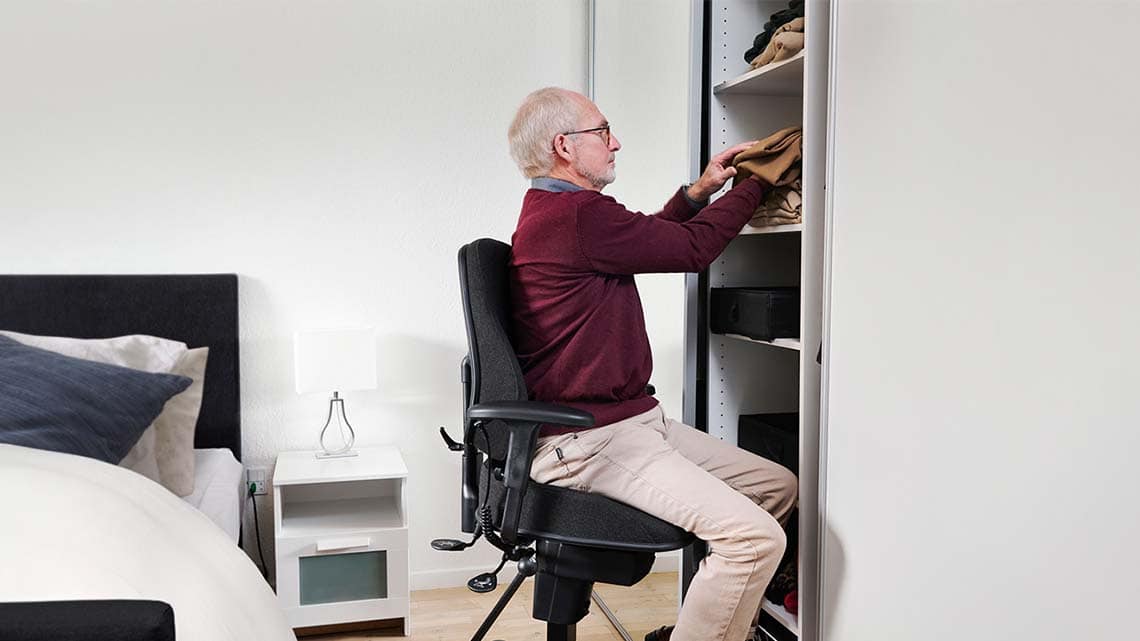
Transitioning from the challenges faced in traditional nursing home settings, families are increasingly exploring ways to keep older adults safely independent in their own homes. A notable solution is the VELA Independence Chair — a medically approved mobility chair that enhances freedom of movement while seated. This chair provides essential support for daily activities such as cooking, dressing, or transferring, effectively reducing the burden on informal caregivers.
A holistic approach to senior care choices
While Wicomico Nursing Home has established itself as a reliable institution with robust community services, the evolution of senior care offers diverse avenues for families to consider. Home care, facilitated by innovative technologies, can significantly enhance the quality of life for seniors.
Ergonomic assistive devices are now available with adaptive, user-centric features that learn individual preferences and habits to fine-tune support and comfort (Everything Medical Online). These devices—such as AI-powered smart wheelchairs with GPS navigation, voice controls, and automated collision avoidance—allow for greater independence and safety. Customizable settings through mobile apps enable adjustment for each user’s needs. Wearable health devices and robotic rehabilitation aids are increasingly adopted alongside telemedicine, contributing to at-home recovery and comprehensive well-being (Heisinger Bluffs).
AI and predictive analytics now play an essential role in monitoring resident mobility, fall risk, vital signs, and infection risks in nursing homes and home environments. Wearables, sensors, and connected digital systems facilitate earlier intervention, reduce hospitalizations, and support proactive, compassionate care for seniors (Skilled Nursing News).
Integrated smart home features, including voice-activated assistants, fall detection, and automated lighting, are now mainstream and widely used to enhance independence and safety for older adults—whether living at home or in care facilities (Envision; Skilled Nursing News).
Government policies continue to play a vital role in increasing the accessibility and affordability of these advanced solutions worldwide (NextMSC).
Families are encouraged to utilize comprehensive research, firsthand facility experiences, and consultative dialogues with healthcare professionals to make informed decisions. Through understanding available resources, such as Wicomico Nursing Home’s offerings or home-based technologies, tailored care solutions can be designed to suit the unique needs of seniors, ensuring dignity and quality of life in their golden years.
How mobility solutions like VELA make a difference
The VELA Independence Chair represents an important step in enabling seniors to maintain an independent lifestyle at home. With features like a central brake to ensure safety, electric height adjustability for ease of getting in and out, and smooth movement while seated, the chair addresses several mobility and safety challenges commonly faced by older adults. Using the chair can delay the need for transitioning to a nursing home by effectively supporting seniors in everyday tasks like cooking, cleaning, and relaxing. It empowers individuals to live with dignity and freedom, alleviating the physical and emotional demands on their caregivers. While there are multiple mobility solutions available, the VELA Independence Chair is a proven, practical option for many families focused on aging in place. For more information, explore related resources such as mobility solutions for nursing home residents and enhancing mobility for seniors.
References:
- Heisinger Bluffs – The Future of Senior Living: Trends to Watch in 2025
- Sandberg Phoenix – Major CMS Revisions to Nursing Home Surveyor Guidance (2025)
- Everything Medical Online – The Latest Trends in Mobility Aid Technology for 2025
- Hall Render – Nursing Home Update: CMS Extends Implementation Date of Surveyor Guidance Changes
- UnitedHealthcare Community & State – How Enabling Technology is Transforming Home-Based Care
- PaltMed.org – CMS Announces Key Revisions to Nursing Home Surveyor Guidance 2025
- Envision – What’s Next for 2025: The Future of Assistive Technology & AI Assistants
- American Health Care Association – CMS Issues Final Rule Impacting Nursing Home NHSN Reporting Starting January 1, 2025
- NextMSC – Disabled and Elderly Assistive Device Market 2025-2030
- Skilled Nursing News – Top Trends That Will Shape the Skilled Nursing Sector in 2026
- AHA – CMS Repeals Minimum Staffing Requirements (Dec 2025)
- NACo – HHS Repeals Staffing Mandate (Dec 2025)
- Reed Smith – Recent Legislative Updates for Long-Term Care (post-2025)
- Federal Register – Repeal of Minimum Staffing Standards (Dec 2025)
- CMS – FY 2026 SNF Prospective Payment System Final Rule