

Updated February 2026: We have updated the article to reflect Winslow Campus of Care’s current status as a CMS Special Focus Facility (SFF) Candidate in 2025/2026, incorporated new CMS FY 2026 regulatory changes, provided benchmarking against national staffing and therapy trends, and included recent Medicare data (January 2026). The article also highlights the latest standards in assistive technology, AI-enabled fall monitoring, and resident-centered care.
Winslow Nursing Home: A Comprehensive Guide to Senior Care Options
Choosing the right nursing home is a decision that greatly impacts the quality of life for seniors and provides peace of mind for their families. For those searching “Winslow nursing home,” you’ll quickly identify Winslow Campus of Care as a primary facility located in Winslow, Arizona. This nursing home is certified by Medicare and Medicaid. However, as of January 2026, it is listed as a Special Focus Facility (SFF) Candidate under Centers for Medicare & Medicaid Services (CMS) oversight, according to the CMS Special Focus Facility List and Medicare Nursing Home Compare. This designation reflects that the facility is under heightened regulatory scrutiny due to concerns regarding compliance and care quality. Previously noted positive family-operated narratives should now be viewed in this new regulatory context.
Overview of nursing homes in Winslow, AZ
Winslow, nestled in rural Arizona, presents a distinctive landscape for senior care facilities. Within this unique context, the Winslow Campus of Care emerges as the primary option for individuals seeking residential nursing home services. According to Medicare.gov, this facility offers a range of services for residents in a rural environment where healthcare resources may be limited. Ongoing regional access challenges persist, particularly regarding timely hospital and specialist care. Therefore, facilities must place emphasis on continuity of care, efficient coordination with medical networks, and meeting evolving quality requirements as outlined by the latest CMS regulations and performance reviews (CMS FY 2026 Rule Updates).
Winslow Campus of Care: Facility profile and ratings
Winslow Campus of Care provides care in a facility with 119 certified beds and an average daily occupancy of about 94 residents (approximately 79% occupancy). According to ProPublica Nursing Home Records and updated 2026 Medicare data, the campus delivers 3.99 nurse hours per resident each day, and currently has a nurse turnover rate of 42.1%. While this rate is better than the Arizona average, it is still significant, especially in light of national trends showing top-performing nursing homes providing up to 20% more staff coverage and approximately 80% more physical therapy per resident than facilities like Winslow (Medicare Nursing Home Compare: Winslow). The facility is actively monitored by CMS due to its SFF Candidate status, signaling increased inspection frequency and higher compliance requirements (2025 CMS Special Focus Facility List). Winslow continues to collaborate with Winslow Indian Health Care Center (WIHCC), supporting culturally responsive care, though residents and families should review current inspection results and quality indicators for the most up-to-date performance information (Medicare Health Inspections).
Integration of assistive technology and rehabilitation innovations
Recent advances continue to drive the adoption of smart assistive devices and AI-enabled mobility solutions in skilled nursing. Facilities like Winslow Campus of Care are expected to incorporate wearable sensors for real-time monitoring of resident health and mobility patterns, aiding fall prevention and personalized interventions. Nationally, leading nursing homes have implemented AI-based monitoring for both fall risk and infection detection, setting a benchmark for assistive technology integration (CMS FY 2026 Rule Updates). Robotics and individualized AI-powered exercise platforms, in combination with advanced ergonomic accommodations, support comprehensive rehabilitation and are key elements of 2026 best-practice standards. These improvements, alongside resident-centered facility design, emphasize safety, wellness, and integration with outcomes-based care required by CMS and Medicare/Medicaid programs.
Evolving regulatory standards and quality incentives
The regulatory environment for nursing homes has undergone further changes with the implementation of CMS FY 2026 rules. Updates now include streamlined Value-Based Purchasing (VBP) scoring and the removal of certain Health Equity Adjustment and select Social Determinants of Health (SDOH) data reporting requirements, focusing more on direct care outcomes such as reduced hospitalizations. Nursing homes listed as SFF Candidates, like Winslow, face increased inspection scrutiny and must prioritize improvement to avoid adverse impacts on funding and licensing (CMS FY 2026 Rule Updates, Medicare Health Inspections). The latest regulations emphasize staff retention, sufficient staffing levels, advanced infection control, and data-driven quality improvement, with a strong focus on culturally competent and person-centered care. Facility outcomes are increasingly monitored via the Medicare Compare platform with frequent updates to aid transparency.
Understanding local demographics and specialized care needs
The demographic composition of Winslow, Arizona, continues to influence services offered by local nursing homes. Around 8,831 residents live in Winslow, and a significant portion are members of the Navajo Nation, requiring ongoing attention to culturally specific care practices. Facilities such as Winslow Campus of Care integrate cultural awareness through partnership with WIHCC and other local organizations. Current best practices as of 2026 place increased value on community integration, staff stability, and resident-centered programming to better serve diverse populations and address high-acuity needs. Integration of culturally competent care with technology-enabled solutions remains a critical area for quality improvement.
Nursing home alternatives and adaptive living solutions
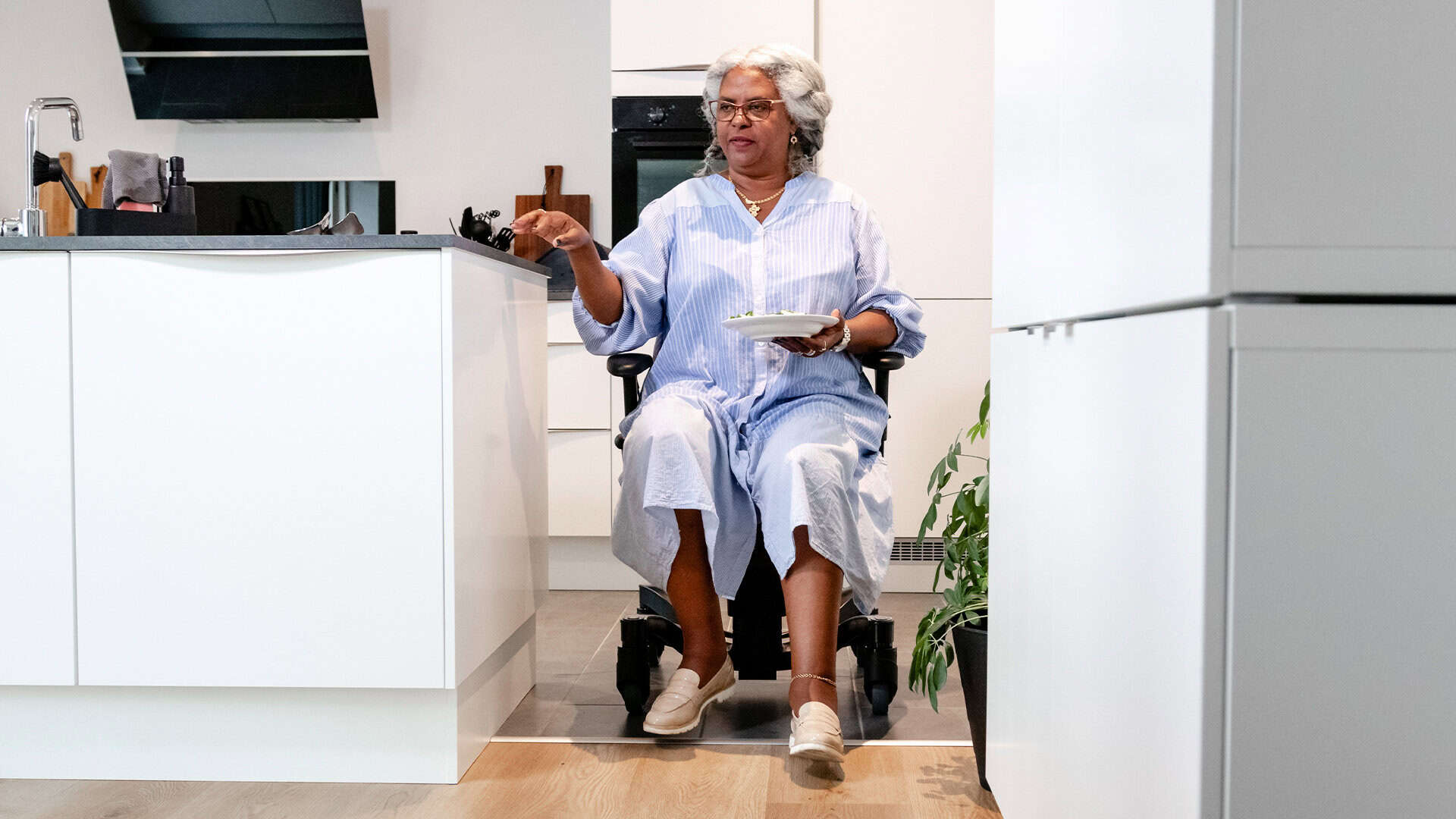
Traditional nursing homes like Winslow Campus of Care remain essential, but many elderly individuals prefer alternatives that support greater independence at home. Ongoing physical and mobility challenges make solutions such as advanced mobility chairs increasingly important. Options like VELA chairs provide enhanced safety, functional independence, and support for everyday tasks, lessening the burden on caregivers and extending the possibility for seniors to age safely at home. These alternatives address persistent gaps in local healthcare capacity while reflecting larger trends in resident-centered, community-integrated care.
Supporting aging in place: A practical option
For seniors aiming to age in place, mobility solutions such as VELA chairs remain highly effective. Their design addresses fall risks and daily task limitations through safety features like a central brake, electric height adjustment, and easy movement while seated. By improving independence and reducing caregiver strain, these solutions help align with national goals of lowering preventable transitions to nursing home care and supporting prolonged home living, consistent with 2026 regulatory and quality initiatives. Merging advanced mobility equipment into home settings offers both functional and emotional benefits, delaying or potentially preventing the need for institutionalization, especially as covered in recent outcomes-based Medicare measures.
References
- ProPublica Nursing Home Records (July 2025)
- Medicare.gov (January 2026 update)
- Senior Service Directory
- Fall Prevention Best Practices 2025 (2025)
- CMS Special Focus Facility List (January 2026)
- CMS Nursing Home Guidance (2025 updates)
- CMS Proposed Rule for Nursing Homes: Key Updates for FY 2026
- Skilled Nursing News – Trends 2025
- Copper Courier – Arizona Rural Healthcare Challenges 2025
- Justice in Aging – Nursing Home Problems (2025)
- Data USA
- Medicare Health Inspections for Winslow Campus of Care (January 2026)