

Updated February 2026: We have updated the article to reflect the latest trends in 2026, including advances in AI-powered smart mobility aids, dynamic support surfaces, wearable health tech, and robotic companions. We have also included new CMS regulatory changes, such as the repeal of minimum staffing mandates, quality rating updates, and evolving compliance guidance for nursing homes.
Exploring Wurtland Nursing and Rehabilitation Center: A Comprehensive Guide
The Wurtland Nursing and Rehabilitation Center is a cornerstone of the Wurtland, Kentucky community, providing dedicated care to the area’s aging population. Located in Greenup County, this facility boasts 126 certified beds and an average daily occupancy of about 112 residents, equating to an 80.55% occupancy rate as of November 2023. According to ProPublica Nursing Home Inspections, it stands as a trusted choice for families seeking quality elder care, thanks to its reliability and consistent service over the years. Owned by Wurtland Nursing And Rehabilitation Holdings LLC, this for-profit establishment is synonymous with caregiving excellence in the community.
Quality of Care and Service Evaluation
Evaluating the standard of care at Wurtland involves analyzing various metrics like Medicare ratings and inspection results. According to Medicare.gov Care Compare, the center’s staffing levels are somewhat beneath the state average, with 2.92 nursing hours per resident per day compared to the state’s 3.9 hours. This shortfall is managed through structured staff training and strategic resource utilization, reducing the impact of a 45.7% nurse turnover rate and enabling the facility to maintain high-quality care despite staffing challenges.
Residents benefit from a wide range of medical and therapeutic services, including IV antibiotic therapy and specialized wound care, as outlined by CareListings. These services address various healthcare needs, ensuring comprehensive care. Personal accounts from families highlight a compassionate staff committed to creating a nurturing environment conducive to resident and family satisfaction.
Since 2025, Wurtland and other nursing facilities have seen further updates to regulatory standards set by the Centers for Medicare and Medicaid Services (CMS). As of February 2026, the CMS has repealed the 2024 minimum staffing mandates, reinstating prior RN requirements and shifting focus away from fixed nurse hours to outcome-based compliance. Emphasis within regulations now centers on robust medical records management, interdisciplinary planning, nonpharmacological interventions for behavioral issues, and monitoring antipsychotic medication use within the Five Star rating system (with updates effective from October 2025). Facilities are further expected to strengthen their Quality Assurance and Performance Improvement (QAPI) programs by addressing disparities in care and clinical responses. In line with evolving compliance practices, there is a growing need to be responsive to audit guidance and maintain comprehensive behavioral health strategies. Enhanced infection prevention provisions and electronic reporting for illness surveillance remain crucial. These regulatory updates reinforce health equity, patient rights, and quality assurance for residents.
Sandberg Phoenix, PALT Medical, AHCA, Justice in Aging, CMS, Skilled Nursing News, AHA, Reed Smith, Medicare Rights
Resident Life at Wurtland Nursing and Rehabilitation Center
Daily life at Wurtland Nursing Home is designed to enhance resident experiences through a variety of activities. According to Seniorly, the facility offers amenities like a library, arts room, and fitness programs to support physical and mental well-being. Social activities such as movie nights and music programs foster community involvement and enhance the joyous living experience of residents.
The landscape of resident engagement and daily support in 2026 is increasingly shaped by smart technologies and assistive innovations. Facilities like Wurtland are adopting AI-powered mobility aids, such as smart wheelchairs and walkers that feature auto-adjustment, real-time fall detection using wearables, and seamless telehealth connectivity. Dynamic air-gel mattresses and pressure-relief surfaces, tailored by smart sensors, now proactively reduce the risk of pressure injuries. Wearables monitor vitals and enable predictive health analytics, alerting caregivers to potential issues before they escalate. Advances in companion robotics and VR/AR-based therapy provide new avenues for socialization, cognitive engagement, and mobility rehabilitation, addressing isolation and improving quality of life. These developments empower both staff and residents by enhancing safety, supporting independence, and optimizing care efficiency. Telehealth and remote monitoring further facilitate timely healthcare interventions and reduce the frequency of hospital transfers. The potential evolution of regulations, such as changes to the three-day hospital stay rule for skilled nursing eligibility, is also anticipated to support easier access to comprehensive care.
ButterflyMX, Harvard Bristol Health Research Center, My Care Concierge, Everything Medical Online, UHC Community & State, iHealthcareAnalyst, Skilled Nursing News
The facility’s proximity to healthcare establishments like the Bellefonte Medical Center (3 miles away) and local pharmacies facilitates smooth integration with external medical services as needed. Resident reviews frequently praise the welcoming atmosphere and variety of activities, underscoring the community’s dedication to creating a lively environment.
Financial Insights and Admission Process
Financial considerations are a critical aspect of the nursing home selection process. As revealed by the Kentucky Cabinet for Health and Family Services, the cost of care at Wurtland is competitive, closely aligning with state averages and providing affordable quality elder care. The home accepts Medicaid and Medicare, easing the financial load for eligible individuals.
The admissions process at Wurtland is straightforward yet thorough, ensuring incoming residents meet the health and financial criteria necessary for residency. Financial advisors often stress the importance of planning and understanding potential costs and payment options, which can facilitate a smoother transition and ensure long-term financial peace.
Enhancing Independence with Innovative Solutions
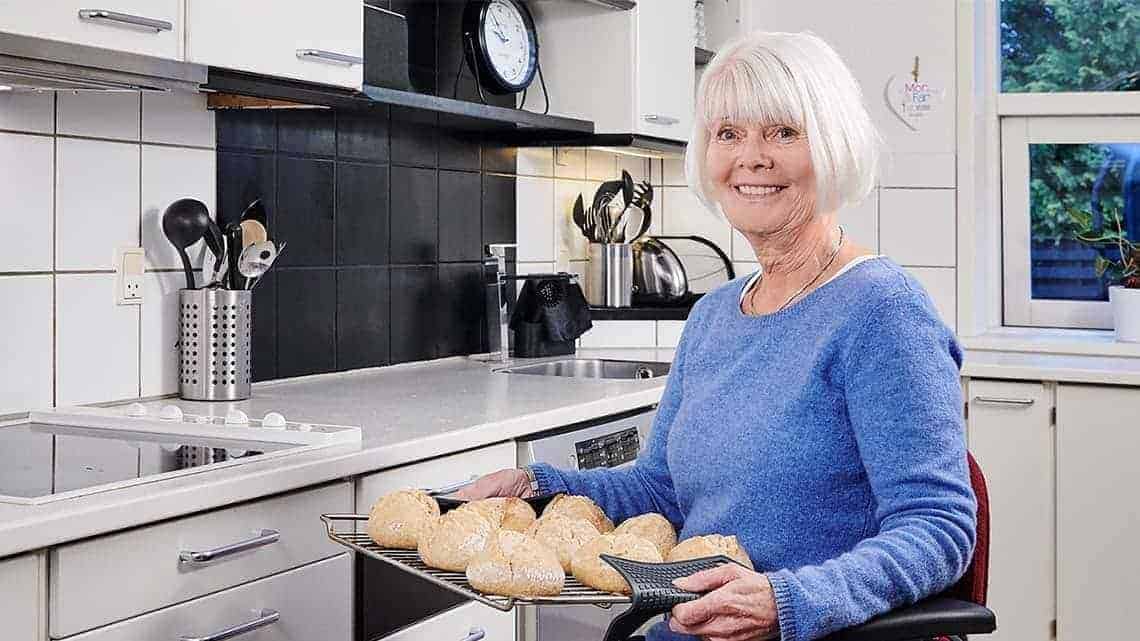
While the robust support offered by facilities like Wurtland is invaluable, maintaining independence at home remains a priority for many seniors. For those wishing to delay or avoid transitioning to a nursing home, solutions such as the VELA Independence Chair offer a viable pathway. This medically approved mobility chair is designed for at-home use, providing enhanced safety and freedom of movement while seated. By supporting daily activities like cooking, dressing, and transferring, VELA chairs help reduce the physical demands on informal caregivers and promote prolonged home-based living.
In 2026, the landscape of assistive technology has rapidly progressed, emphasizing smart mobility aids incorporating AI for auto-adjustment, fall prediction, and user pattern learning. Devices such as dynamic support surfaces, wearable health monitors, and AI-driven robotics enhance proactive care and support autonomy. Ergonomic supports and 3D-printed adaptive tools are increasingly tailored to individual needs, and personalizable products maximize both safety and independence for users. Integration with telehealth platforms and remote monitoring solutions provides earlier intervention and easier device maintenance, supporting seniors’ ability to remain safely at home or within care communities. These trends continue to promote longer, safer, and more dignified independent living.
Everything Medical Online, iHealthcareAnalyst, UHC Community & State, Skilled Nursing News