

Updated February 2026: We have updated the article to reflect the status of Yates Center Health and Rehab following its destruction by fire in March 2025 and the ongoing construction of a new, resident-centered facility set for completion in late 2026. This update also includes recent regulatory changes, such as the repeal of CMS 2024 minimum staffing requirements, modifications to the Five Star Quality Rating System, and key updates to payment and assessment standards. No new breakthroughs in assistive technology or facility design were reported since May 2025.
Yates Center Nursing Home: Meeting the Community’s Needs
When considering care options for seniors in Yates Center, Kansas, the phrase “Yates Center nursing home” is frequently searched, highlighting the community’s growing need for reliable and specialized elder care. Yates Center Health and Rehab is prominently distinguished as a leading facility in this region. According to World Population Review and Census Reporter, nearly 25% of Yates Center’s residents are aged 65 or older, an indicator of the substantial demand for senior care services.
Demographics and Demand for Nursing Homes in Yates Center
Yates Center’s significant senior demographic naturally drives the demand for nursing home services. With a median age of 50.4 years and a senior population on the rise, the services provided by Yates Center Health and Rehab become increasingly essential. As noted, this facility not only delivers critical healthcare services but also plays a vital role in supporting the community by ensuring aging residents have access to care options tailored to their unique needs.
A Comprehensive Look at Yates Center Health and Rehab
Yates Center Health and Rehab, rated with an ‘A’ by Elder Guide, provides a supportive environment for seniors. In March 2025, the original facility was destroyed by fire, prompting a full rebuilding project now underway at the same site. Mission Health has announced that the new facility will feature a modern, resident-centered design with expanded floor space, improved accommodations, and updated amenities to better support current and future seniors in the community. This new environment reflects not only a replacement but an upgrade, incorporating community input and upholding the operational excellence that previously earned the facility a five-star rating in Kansas. Efforts are being made to enhance care quality, safety, and the overall resident experience while honoring the resilience and dedication shown by staff and community members during this period of recovery and transition. (Mission Health; McKnight’s; Mission Health Blog; Mission Health Blog).
Prior to the rebuild, the facility featured 45 skilled nursing beds and offered both rehabilitation and long-term care, with a wide array of specialized therapies, including physical, occupational, and speech therapy, as well as care programs for complex conditions such as cardiac and pulmonary disorders. The reimagined structure is expected to preserve this broad scope of service, with additional improvements aligned with recent advances in healthcare and regulatory standards (Mission Health Communities).
Navigating Costs and Choices for Senior Care in Yates Center
Understanding potential costs is crucial when planning for nursing home expenses. In Kansas, the average monthly rate for nursing homes ranges from $3,200 to $4,800, as reported by SNF Data. Families should explore various financing options, including Medicare, Medicaid, and private pay, to best manage these costs. According to Senior Advice, choosing the right facility involves considering both costs and care quality to ensure the best fit for loved ones. The planned updates to Yates Center Health and Rehab aim to maintain a high standard of value in both service and environment through modernized amenities and compliance with updated regulations.
Important Regulatory Updates for 2025-2026
Effective in 2025 and 2026, significant changes from the Centers for Medicare & Medicaid Services (CMS) are shaping nursing home operations nationally:
- CMS repealed the 2024 minimum staffing requirements on December 2, 2025, removing the mandates for total nurse hours and 24/7 RN coverage. Previous standards, such as the requirement for at least an 8-hour daily RN presence, have been reinstated, following a 10-year moratorium on heightened mandates. Facility assessments for resident acuity and adjustments to staffing remain in place (AHA News; Reed Smith; Medicare Rights Center; NACo).
- Updates to the Five Star Quality Rating System were announced on June 18, 2025, effective October 29, 2025. These changes include the removal of surveys more than 45 months old and the addition of antipsychotic medication claims data to provide a more accurate reflection of facility quality (Reed Smith).
- The FY 2026 Skilled Nursing Facility Prospective Payment System (SNF PPS) final rule eliminates four MDS assessment data elements and introduces payment update adjustments, including reporting penalties, beginning October 1, 2025 (CMS Fact Sheet: FY 2026 SNF Prospective Payment System Final Rule).
- Ongoing updates also include revised surveyor guidance regarding staffing sufficiency, enhanced protocols for psychotropic medications, more robust Quality Assurance and Performance Improvement (QAPI) standards, and reporting requirements for infectious diseases.
These regulatory changes provide more flexibility for skilled nursing providers while maintaining the focus on resident safety, care outcomes, transparency, and quality improvement. For facilities in transition, such as Yates Center Health and Rehab, these adjustments support continued commitment to excellence during the rebuilding process as well as future operations.
Rehabilitation, Assistive Technology, and Facility Design Advances
While no new advances in assistive technology, ergonomic design, or rehabilitation practices for nursing homes have been reported since May 2025, the rebuild of Yates Center Health and Rehab is expected to feature updated resident-centered features, additional space, and enhanced accommodations. Exact details on innovative assistive devices or new rehabilitation methods for the new facility have not been released. The sector remains focused on modernizing physical spaces and supporting daily living with inclusive design, in alignment with updated regulatory and quality standards.
Exploring Alternatives and Enhancements to Nursing Home Care
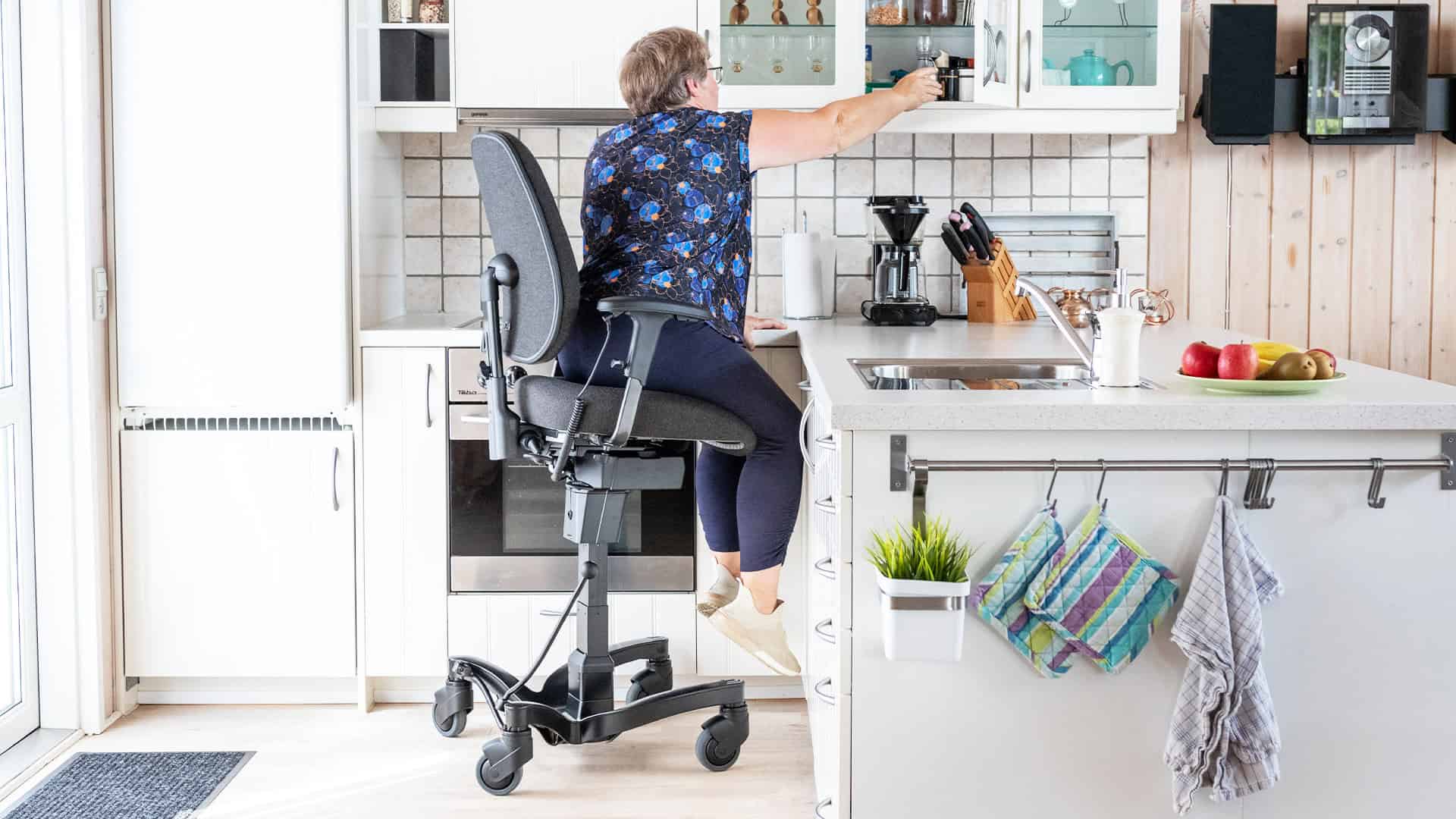
Despite the valuable services offered by institutions like Yates Center Health and Rehab, many seniors and their families seek alternatives to enhance independent living. The prospect of maintaining autonomy within one’s home resonates deeply with older adults. Here, advanced mobility solutions such as VELA chairs present viable options. VELA chairs are medically approved mobility chairs designed for in-home use, providing safety and the freedom to move while seated. These chairs support daily activities, such as cooking, dressing, or transferring, and help to alleviate the physical burden placed on informal caregivers.
Evaluating Your Options
While Yates Center Health and Rehab offers indispensable resources for seniors who require detailed medical oversight, examining complementary solutions like advanced mobility aids is also essential. Balancing comprehensive institutional care with advancements in mobility solutions enables families to make informed decisions catering directly to the unique needs of their aged loved ones. The key to effective senior care lies in maintaining a balanced perspective—leveraging the comprehensive services offered by a facility such as Yates Center Health and Rehab while still considering alternatives that can amplify quality of life improvements. By exploring all available options, families can provide seniors with the care and dignity they deserve during their golden years.
Staying Independent at Home with Support
In considering the options for aging in place, VELA Chairs offer an effective solution that can significantly extend the period seniors can remain in their homes. With features such as a central brake for enhanced stability, electric height adjustability to assist with movements, and ease of navigation while seated, VELA Chairs address critical areas like safety, energy conservation, and transferring ease. By providing a supportive structure for everyday tasks such as cooking or dressing, these chairs allow seniors to manage daily activities with dignity and minimal caregiver assistance. While not the only solution available, VELA Chairs stand out as a proven and practical choice for enhancing the quality of life for those wishing to maintain independence longer and potentially delay the need for nursing home care.