

Updated February 2026: We have updated the article to reflect the repeal of federal nursing home minimum staffing requirements by CMS in 2026, the expanded adoption of advanced assistive and monitoring technologies in senior care, including AI-powered wearables and robotics-assisted rehabilitation, the growth of technology-enabled, personalized care planning, and current trends affecting facility quality standards.
Updated October 2025: We have updated the article with 2025 findings on advanced smart assistive technologies, such as AI-enabled mobility aids, remote health monitoring, and voice-activated home care systems. The article also now reflects the latest CMS regulatory changes, enhanced telemedicine integration, and industry trends in personalized and tech-supported senior care.
Exploring York Nursing Homes: Options, Costs, and Decision-Making
When searching for a “York nursing home,” it is crucial to cater to the unique needs of the senior community in this vibrant Pennsylvania region. York County, recognized for its substantial senior population, offers various long-term care options tailored to provide comprehensive medical and personal care. According to the Pennsylvania Department of Health, several nursing homes serve as essential facilities catering to these needs. As Medicare.gov highlights, “The overall rating is based on a nursing home’s performance on 3 sources: health inspections, staffing, and quality measures.” Understanding these elements is critical for making informed decisions.
The Best Nursing Homes in York, PA: Top Options and Ratings
York boasts several highly-rated nursing facilities. Each is evaluated on stringent criteria, including health inspections, staffing adequacy, and quality measures. Notable establishments include Yorkview Nursing and Rehabilitation, York North Skilled Nursing and Rehabilitation Center, and York South Skilled Nursing and Rehabilitation Center. These facilities are consistently praised for their commitment to quality care. Testimonials from families reflect positive experiences, particularly at ManorCare Health Services-York South, commended for its attentive staff and comprehensive rehabilitation programs.
According to Medicare.gov and Caring.com, the top-rated facilities in York County stand out for their quality of care, with reviews highlighting the compassionate services families have come to expect.
Understanding the Cost and Services of York Nursing Homes
The costs of nursing home care in York mirror state and national averages, generally ranging between $8,000 and $10,000 per month for a semi-private room. These figures vary based on room type, level of care needed, and specific services rendered. Most facilities offer a range of services, including room and board, medical monitoring, rehabilitation programs, and specialized memory care.
Recent shifts in available services include the increasing integration of technology into daily care routines. Facilities and home-based care alike are adopting advanced solutions such as smart wheelchairs equipped with AI-driven navigation and safety features, real-time health monitoring, and voice-controlled interfaces.[5] These innovations enhance resident autonomy, safety, and support for individualized care needs. Family reviews highlight the value of care relative to cost, emphasizing that technology-enabled services, including fall detection systems and remote monitoring, can provide peace of mind despite financial considerations.[1] One resident’s daughter shared how her mother’s transition to a nursing home was made smoother by the welcoming environment and comprehensive care plan that addressed both medical and personal needs.
Trends and Challenges in York’s Nursing Home Care
York’s nursing home sector is experiencing notable trends, including climbing occupancy rates and challenges in staffing. According to the National Investment Center (NIC), the occupancy rate rose to 84.5% by late 2024, signaling a robust demand for skilled care. Meanwhile, staffing remains a critical issue, affecting care quality and operational sustainability. This problem is compounded by the increasing complexity of healthcare needs among residents—a factor that emphasizes the importance of well-trained staff.
The critical shortage of direct caregivers in the industry has led to accelerated reliance on technology that augments, rather than replaces, human care.[9] Facilities and families are turning to smart assistive devices and remote monitoring tools to support safety, efficiency, and continuous care, particularly in response to workforce pressures.
As of February 2026, a major change in the regulatory landscape has occurred: the Centers for Medicare & Medicaid Services (CMS) has repealed the federal nursing home minimum staffing requirements that previously mandated 3.48 hours of nursing care per resident daily, including 24/7 RN coverage. This reversal represents a significant shift from the 2024-2025 standards and impacts how facilities approach staffing, oversight, and quality assurance. This development is critical context for evaluating facility quality standards and may lead to greater variability in care approaches across nursing homes.[4][8]
At the same time, there is widespread adoption of advanced assistive and monitoring technologies within senior care. Facilities are utilizing AI-powered wearable devices that provide continuous predictive health monitoring, robotics-assisted rehabilitation tools for fall prevention and mobility, and smart home integrations featuring voice-activated systems and fall detection. These technologies support proactive, individualized care planning and reduce injury risks, particularly amidst workforce challenges.[1][3][5]
Additionally, nursing homes and home-based care providers have increasingly moved towards AI-driven, real-time adjustable care plans tailored to each individual’s health conditions, marking a transformation toward precision geriatrics and improved outcomes.
At the policy level, prior to the 2026 staffing policy change, CMS released major 2024-2025 revisions to nursing home surveyor guidance. These updates established stricter standards on medication (especially psychotropic drug) use, transfer and discharge protocols, and compliance documentation.[6] Notably, facilities must now secure explicit resident consent before administering psychotropic medications and are subject to revised reporting and rating methodologies.[4] Nursing Home Care Compare has likewise been updated, adjusting survey cycles and publishing facility and chain-level performance data.[19] Staying informed about these developments is crucial for families ensuring quality and compliant care for their loved ones.
Choosing the Right Nursing Home in York: Tips and Alternatives
When selecting a nursing home in York, consider factors such as facility location, service offerings, and specific family needs. Evaluating proximity to family, the availability of specialized care, and the overall environment can be crucial factors. For example, one might prioritize a nursing home offering specialized memory care if a loved one is experiencing Alzheimer’s or dementia.
Alternatives to traditional nursing home care, such as assisted living and in-home care services, provide valuable flexibility. These options are increasingly popular for seniors wishing to maintain a degree of independence. There has been rapid growth in technology-supported home-based care, backed by a global assistive technology market valued at $32.73 billion in 2026 and projected to reach $57.06 billion by 2032. Key advancements include AI-enabled smart wheelchairs that adapt to user movements, voice-activated assistants for medication reminders and home controls, and wearable sensors for health and fall monitoring.[1][3][5][13][17] Virtual and hybrid therapy models with real-time video and AI motion-tracking have also become common for sustaining physical and occupational therapy in the home setting.
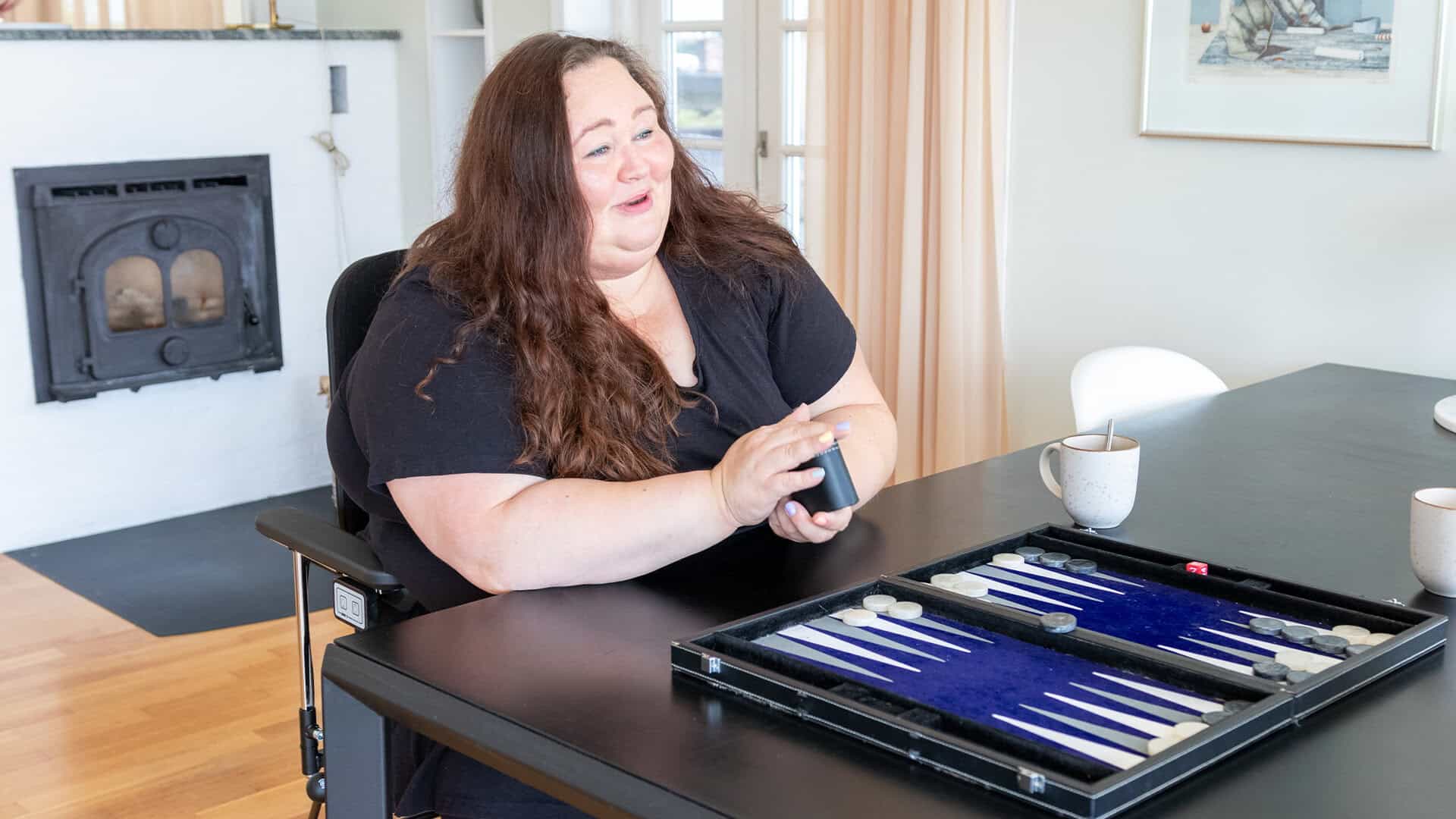
Given continued high demand and workforce challenges in York’s nursing homes, utilizing innovative mobility solutions like VELA chairs can significantly benefit those opting to age at home or in assisted living. VELA chairs, which are medically approved mobility chairs, offer enhanced safety and freedom of movement while seated, significantly aiding daily activities such as cooking, dressing, or transferring. This not only contributes to an elderly person’s independence but also reduces the caregiving load for families by alleviating some physical support requirements.
York’s array of nursing homes presents diverse choices for families seeking quality senior care. By evaluating ratings, costs, and services, individuals can better navigate the decision-making process. Balancing the benefits and limitations of nursing homes with innovative solutions and integrated technology allows for a comprehensive approach, ensuring the best possible care outcomes for loved ones.
How Mobility Solutions Like VELA Make a Difference
For seniors aiming to prolong their independence at home, the integration of advanced mobility solutions like VELA Chairs can be transformative. These chairs are equipped with features such as a central brake for safety, intuitive electric height adjustability, and easy movement while seated. In 2026, the landscape of assistive mobility has advanced even further, with devices now leveraging AI to monitor health status, optimize comfort in real time, and deliver data-driven adjustments to support mobility and safety.[5] Many users combine these mobility aids with technology-driven home support—like voice assistants, automated medication dispensers, and fall detection sensors—to address significant concerns by enhancing safety, supporting energy conservation, and simplifying everyday tasks.[9] For instance, cooking or cleaning becomes less daunting when seated securely with the ability to reach items efficiently and control environmental elements by voice.
Additionally, telemedicine consultations and AI-supported hybrid therapy models now allow healthcare providers to deliver and monitor therapy remotely, further supporting independence for senior care community residents and those at home.[3] By minimizing the physical demands on caregivers, these integrated approaches can delay the need for more intensive care settings. While VELA is not the sole solution, it offers a proven, practical option that aligns with values of dignity, freedom, and safety. More information on senior chairs designed for safety and independence is available for those interested in exploring this further.
- U.S. Assistive Technologies for Older Adults Market Report 2025
- CMS Revised Long-Term Care (LTC) Surveyor Guidance
- Nursing Home Care Compare Updates
- The Latest Trends in Mobility Aid Technology for 2025
- The Future of Senior Living & Assistive Technology Trends 2025
- The Future of Home Health Care 2025
- Enabling Technology Transforming Home-Based Care
- Major CMS Revisions to Nursing Home Surveyor Guidance
- CMS Policy Updates on Minimum Nursing Home Staffing, 2026
- AI and Robotics Trends in Senior Care, 2026
- Wearable Health Monitoring Device Integration, 2026
- Global Elderly Assistive Technology Market Report, 2026–2032