

Updated January 2026: We have updated the article to reflect significant changes in Minnesota Senior Care Plus (MSC+) and Senior Care Plus for 2026, including plan transitions such as the closure of UCare MSHO and Connect + Medicare, new automatic enrollment and special enrollment periods, revised ownership and provider networks, updated costs and benefit structures (such as reduced or $0 copays for dual-eligible members), and the extension of the annual health plan selection period. We have also added authoritative sources and clarified care coordination and resource navigation in response to plan changes.
Minnesota Senior Care Plus: Comprehensive Guide for Elderly Minnesotans
As Minnesota’s senior population steadily approaches the 1 million mark by 2026, the need for robust support systems like Minnesota Senior Care Plus (MSC+) becomes increasingly crucial. Designed specifically for Minnesotans aged 65 and older who are eligible for Medicaid, MSC+ provides essential medical and community-based services, ensuring that seniors can maintain their independence while accessing critical healthcare resources. According to HealthPartners MSC+, MSC+ serves as a vital resource for low-income seniors, offering an array of services tailored to foster both health and autonomy.
Comprehensive overview of Minnesota Senior Care Plus
MSC+ is a Medicaid managed care program tailored to meet the healthcare needs of Minnesota’s elderly population. Eligible participants must be over 65, qualify for Medical Assistance, and reside within the program’s service areas. This initiative integrates medical benefits with a focus on independence, featuring personalized care coordination and essential services like personal care assistance. For instance, many seniors use MSC+ to access regular transportation for medical appointments, enhancing their ability to live independently. As outlined by UCare MSC+, the program’s structure supports a dignified lifestyle by allowing beneficiaries to remain in their communities rather than transition into long-term care facilities prematurely.
Maximizing benefits with Minnesota Senior Care Plus
MSC+ extends beyond basic healthcare by offering supplementary benefits and support services, including care coordination, interpreter services, and mental health support. These additional offerings are integral in enriching the lives of seniors. Integration with the Elderly Waiver provides further access to home and community-based services, which play a crucial role in preventing unnecessary nursing home placements. A case in point is a senior who utilizes home-delivered meals and homemaker services to maintain residence in their familiar environment, as detailed by South Country Health Alliance MSC+. Such assistance underscores the significance of MSC+ in preserving the autonomy of elder Minnesotans.
How to enroll and choose the right MSC+ plan
Navigating the enrollment process for MSC+ involves several straightforward steps. Prospective enrollees should reach out to county human services offices or call the Minnesota Health Care Program. Once Medical Assistance eligibility is confirmed, a selection of managed care organization (MCO) plans is provided. For 2026, major updates affect plan enrollment and availability. UCare’s Minnesota Senior Health Options (MSHO) and integrated Special Needs BasicCare (Connect + Medicare) plans are closing as of December 31, 2025. Members currently enrolled in these plans will be automatically enrolled in UCare MSC+ for Medical Assistance coverage or in original Medicare plus a Part D plan, unless they select an alternative plan.
Medica is acquiring most of UCare’s business, and non-dual enrollees may continue with UCare MSC+ during a special enrollment period running through March 31, 2026. Senior Care Plus is shifting to the Extensive Duals Plan with updated benefits for 2026, including reduced or $0 copays for Medicaid-eligible members on many services such as inpatient stays and specialist visits. The annual health plan selection period for MSC+ has been extended in 2026 to accommodate these changes. Updated directories and handbooks for current coverage, including transportation options and over-the-counter allowances, are available from individual health plans. For further navigation, care coordinators and resources like Minnesota Aging Pathways and Disability Hub MN are available to assist seniors and caregivers as they transition coverage in the new year. A notable example is a senior successfully navigating this process through UnitedHealthcare Community Plan MSC+, ultimately enhancing their experience with comprehensive healthcare support.
Modern assistive technologies and rehabilitation advances
Recent advances in assistive technology have added significant value to MSC+ coverage. The program now includes support for smart wearable devices that monitor mobility and safety, as well as AI-driven adaptive aids such as powered wheelchairs offering terrain adaptation and integrated fall detection. These solutions often connect via smart home systems, promoting enhanced independence and real-time health monitoring for seniors.
Rehabilitation guidelines have also evolved to incorporate tele-rehabilitation services and virtual or augmented reality (VR/AR) platforms for balance and mobility training. This approach allows seniors to participate in customized therapy sessions from home and enables ongoing remote monitoring by healthcare professionals. Recent product and ergonomic design trends focus on modular, multi-use devices that simplify daily activities for those with cognitive or dexterity impairments. By blending traditional physiotherapy with tele-rehabilitation and adaptive technology coaching, MSC+ participants experience improved adherence and rehabilitation outcomes.
Recent user feedback highlights increased satisfaction and autonomy among MSC+ members when using integrated smart technologies and connected rehabilitation plans supported by coordinated care teams.
Supporting independence with VELA mobility solutions
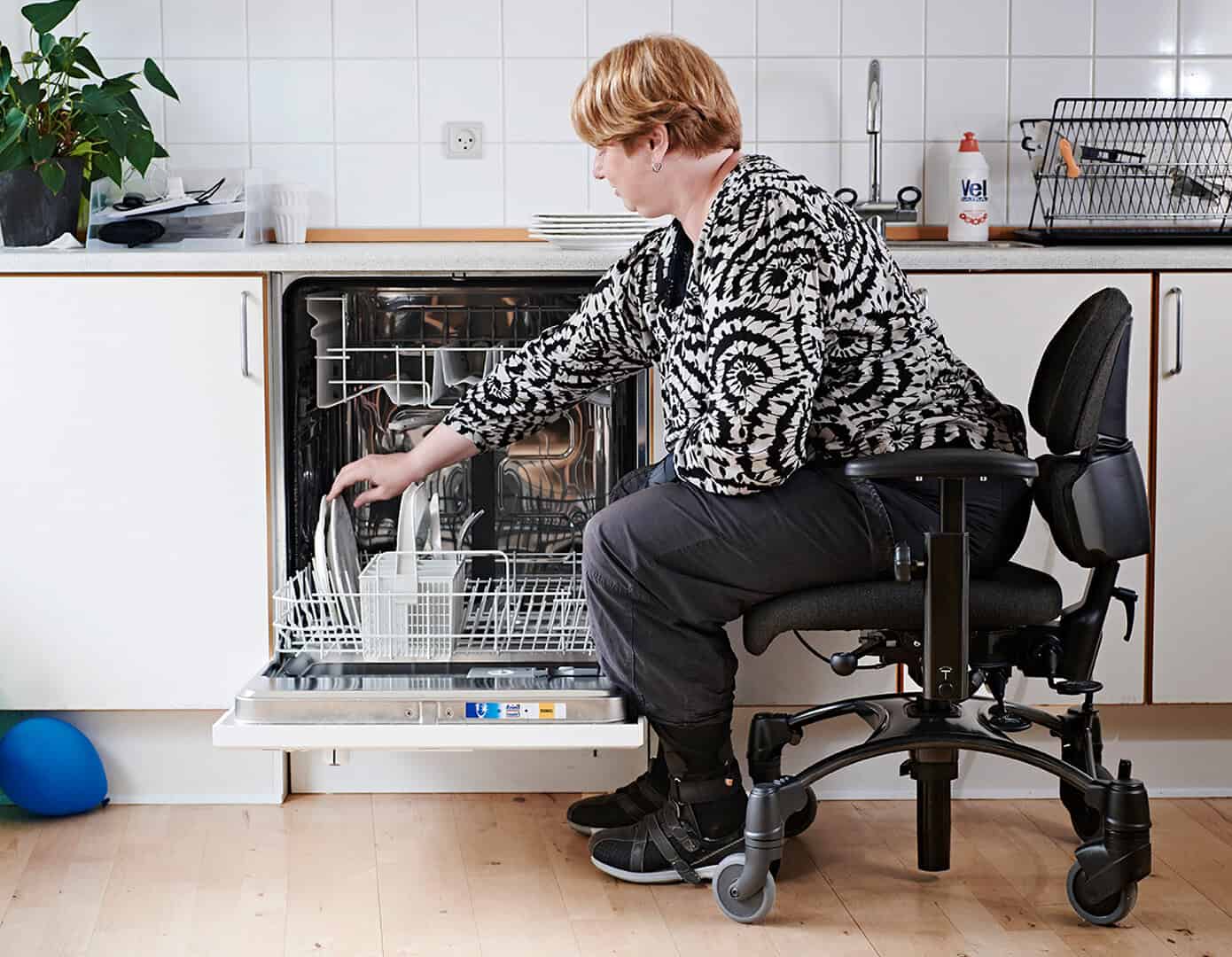
While traditional nursing homes offer a safety net for seniors unable to live independently, innovative solutions now provide promising alternatives. By equipping seniors with the right tools, such as mobility aids, it’s possible to support their wish to age comfortably at home. VELA chairs exemplify this modern approach with a medically approved design that enhances safety and freedom of movement within the home. These chairs support daily activities like cooking, dressing, and transferring, all while easing the load on informal caregivers by reducing the need for constant assistance. To explore more about these solutions, visit Mobility Solutions for Seniors.
Recent policy improvements and care coordination
Minnesota and federal Medicaid policies have recently expanded coverage to include new classes of durable medical equipment, smart assistive technologies, and adaptive devices under MSC+. Legislative changes enacted in 2025 have increased daily funding rates for customized living services, directly benefiting facilities serving seniors with complex needs and allowing improved access to high-quality community-based care.
Additionally, MSC+ and Medical Assistance programs now more broadly cover advanced assistive technologies and tele-rehabilitation platforms, reflecting updated best practices in senior care. Care Connectors and support coordinators have assumed enhanced roles, helping seniors and caregivers navigate new device options, updated coverage, and integrated service planning. For 2026, these care coordinators and navigators are especially important as provider networks and ownership have shifted (notably, Medica acquiring much of UCare’s business), and as volatility impacts plan stability and seniors’ access to home-based services. Recent user and provider feedback has shown that these changes result in greater perceived autonomy, fewer hospitalizations, and more positive experiences among MSC+ members.
Summary and additional resources
Minnesota Senior Care Plus stands out as an indispensable program offering comprehensive healthcare and support services to the state’s elderly residents. By emphasizing a combination of healthcare services, advances in smart assistive technologies, integrated rehabilitation models, and mobility solutions like VELA chairs, MSC+ empowers seniors to continue living independently and with dignity. For further guidance, the Minnesota Department of Human Services MSC+ provides additional resources and information on elder care recommendations, ensuring seniors have access to the support they need as they navigate this vital stage of life.
Supporting aging in place: A practical option
Mobility solutions such as VELA Chairs offer remarkable support in helping seniors maintain independence within their own homes. Features like a central brake for enhanced safety, electric height adjustability for effortless transfers, and ease of movement while seated, notably contribute to prolonging autonomy. By mitigating challenges related to mobility, these chairs can delay the need for nursing home placement. With the sophistication of the VELA Chair, seniors are able to perform daily activities like cooking, cleaning, or simply relaxing, with renewed vigor and confidence. Although not the sole option available, VELA represents a practical and effective tool in promoting the dignity and freedom deserved by our aging population.
References:
- Minnesota Senior Care Plus Program Details and 2025 Member Handbook, Minnesota Department of Human Services (DHS)
- 2025 MSC+ Member Handbook, Minnesota Department of Human Services
- Minnesota Health Care Programs Managed Care Manual (2025 revision)
- Minnesota DHS Guidance on Health Plan Changes and Coverage Coordination for MSC+ (2025)
- Blue Cross Blue Shield Minnesota MSC+ Plan Overview and Benefits
- HealthPartners – Minnesota Senior Care Plus
- Blue Plus 2025 contract and service coordination updates for MSC+ plans
- UCare Minnesota Senior Care Plus program overview and membership guidance
- Meyland-Smith.com technology and clinical trends update (August 2025)
- Senior Care Plus Extensive Duals Plan 2026 Annual Notice of Change
- Disability Hub MN FAQ on Medica/UCare Agreement
- MNsure FAQ for Medica/UCare Agreement
- UCare Plan Closures Notice
- MN Dept. of Human Services Annual Health Plan Selection 2026
- MN DHS Managed Care Enrollment Figures January 2026