

Updated February 2026: We have updated the article to include the latest regulatory and financial changes affecting Illinois nursing homes, including the 2026 spousal impoverishment standard increases, Medicaid policy changes under the One Big Beautiful Bill (OBBB), risks of care quality and staffing challenges, and new requirements for facilities to inform residents of Medicaid benefits. No significant clinical or device innovations have been identified post-May 2025.
Updated October 2025: We have updated the article with the latest Illinois and federal nursing home regulatory data, confirmation of Woodridge Nursing Home’s stable compliance status in 2025, new clinical guidelines on AI-driven and sensor-integrated mobility technologies, innovations in user-centered assistive devices, and enhanced policy focus on transparency and resident-centered care.
Updated August 2025: We have updated the article to reflect recent advances in smart mobility devices, the integration of AI-driven and ergonomic technologies, new federal nursing home regulations on staff training and assistive technology, as well as the incorporation of tele-rehabilitation and user-centered design trends. Sources from leading clinical, regulatory, and research organizations have been added to support these updates.
Exploring Nursing Home Options in Woodridge, Illinois
Woodridge, Illinois, is a vibrant community with a significant demand for high-quality senior care due to its growing senior population. According to the U.S. Census Bureau, approximately 34% of Woodridge’s 33,889 residents are aged 65 or older, emphasizing the importance of selecting an appropriate living facility for seniors. Choosing the right home involves more than proximity; it requires a nuanced understanding of the specific needs and desires of this diverse group.
Understanding the Senior Population in Woodridge, IL
The senior community in Woodridge is a diverse group, consisting of 58.2-65.4% White, 15.7-16.4% Hispanic/Latino, 11.3-12.3% Asian, and 10.8-11.2% Black residents. This diversity necessitates culturally sensitive and inclusive services in nursing homes. A significant portion of the senior population is in their 70s and 80s, suggesting an increasing demand for nursing home facilities SeniorLiving.org.
Discover Highly-Rated Nursing Homes Close to Woodridge
The selection of a nursing home is a crucial decision. Several top-rated nursing homes near Woodridge offer specialized care to meet various needs:
- Oak Trace, located in Downers Grove, offers a community-focused environment with 50 beds and a reputation for attentive care. Residents have access to lush outdoor spaces and organized social events, enhancing their living experience.
- Villa St. Benedict is lauded for its welcoming atmosphere and friendly staff. A family member noted, “What our family likes the most about Villa St. Benedict is the staff members; they are so friendly.” This homely environment fosters a strong sense of belonging A Place for Mom.
- Brookdale Lisle is noted for its engaging activities and beautiful facilities. The community offers a rich program of daily events, from art classes to exercise sessions, promoting both cognitive and physical well-being among its residents.
These facilities not only provide basic care but also cultivate a sense of community and personalized attention, which are critical for a high quality of living. Many advanced nursing homes are now implementing smart mobility devices equipped with AI-driven adaptability, customizable support surfaces, and sensor-based assistive technologies. The focus on these new technologies increases resident safety, independence, and comfort, reflecting contemporary best practices in senior care Journal of Geriatric Physical Therapy, July 2025 Meyland-Smith.com, 2025.
Quality Standards and Regulatory Updates for Woodridge Nursing Homes
Recent reports from the Illinois Department of Public Health (IDPH) for the first quarter of 2025 confirm that Woodridge Nursing Home is not listed among facilities with severe violations, indicating overall regulatory compliance and a continued focus on maintaining a high standard of care IDPH, July 2025 IDPH Q1 2025. According to the Centers for Medicare & Medicaid Services (CMS) Special Focus Facility listings from March and September 2025, Woodridge Nursing Home does not appear among facilities with serious quality issues, further supporting its stable compliance and standing within state and federal programs CMS, March 2025 CMS, September 2025 Medicare.gov, September 2025.
Regulatory and policy updates since early 2025 emphasize transparency in quality reporting, the strengthening of infection control guidelines, and the prioritization of resident-centered care through greater adoption of assistive technologies. These changes require ongoing monitoring by both families and providers to ensure safety and optimal outcomes for residents IDPH, July 2025 CMS, September 2025.
Recent Regulatory and Financial Changes Affecting Illinois Nursing Homes
Significant policy changes in Illinois have recently impacted the financial and operational landscape of long-term care. Effective January 1, 2026, the Community Spouse Maintenance Needs Allowance (CSMNA) has increased to $4,066.50 per month, and the Community Spouse Resource Allowance (CSRA) is now adjusted annually based on the Federal Poverty Level. Nursing homes are now required to inform residents and their families about Medicaid benefits at the time of admission and on an annual basis Illinois HFS, 2026.
Additionally, the passage of the federal “One Big Beautiful Bill” (OBBB) in July 2025 has introduced several Medicaid changes, including a reduction in retroactive eligibility from 90 to 30 days, a provider tax cap reduction from 6% to 3.5%, and increased administrative requirements for facilities. These changes pose significant challenges for long-term care providers in Illinois, such as potential nursing home closures, increased staff shortages, reduced state oversight capacity, and heightened risks of neglect or abuse. Families considering nursing home placement should engage proactively with facilities to discuss how such trends may impact care, staffing, and quality oversight. It is recommended to inquire about contingency planning and financial counseling services offered by facilities to support residents throughout these ongoing changes Illinois HFS, 2026 HFSRB, 2026.
No new studies or innovations in assistive technology, ergonomic design, rehabilitation practices, or clinical recommendations have been reported by leading authorities in the field since May 2025 WHO, 2025.
Managing the Financial Aspects of Nursing Home Care in Woodridge
The financial investment in nursing home care can be substantial. In Woodridge, the average monthly cost is approximately $5,669. Understanding costs involves exploring coverage options such as Medicare, which assists with some expenses, and financial assistance programs designed to help mitigate the financial burden SeniorAdvice.com. In light of recent regulatory and Medicaid changes, families are encouraged to seek guidance on navigating new financial standards and eligibility requirements. Nursing homes now provide additional financial counseling and annual updates regarding Medicaid benefits, helping residents and their families plan for care more effectively Illinois HFS, 2026. Recent regulatory changes have also raised the standards for accessibility in nursing homes and require mandatory staff training focused on assistive technology integration, substantially influencing service quality and resident outcomes CMS, 2025.
Resident Rights and Regulatory Compliance
Illinois nursing homes are now obligated to provide clear explanations of resident rights and Medicaid benefits at admission and at least annually. This requirement enhances transparency and empowers families and residents to make informed choices about care options and financial planning. Maintaining regulatory compliance has become more complex due to increased administrative requirements under new federal policy, making it important for families to select facilities that prioritize communication and regulatory adherence Illinois HFS, 2026.
Beyond Nursing Homes: Alternative Senior Care Options
In addition to traditional nursing homes, Woodridge offers several senior care alternatives, such as assisted living, memory care, and in-home care services. Each option provides distinct advantages; for instance, assisted living offers more independence, whereas memory care specializes in supporting dementia patients.
- Assisted Living: This is ideal for seniors who seek a blend of independence and assistance with daily tasks. Facilities often provide private or semi-private apartments alongside communal dining and recreational opportunities. Increasingly, these settings are incorporating AI-powered mobility aids, wearable exoskeletons, and voice-activated devices designed according to the latest ergonomic and user-centered principles WHO, 2025 Meyland-Smith.com, 2025.
- Memory Care: Tailored for residents with Alzheimer’s or other forms of dementia, these facilities offer secure environments and specialized care plans. Innovative sensor-based assistive tools and smart monitoring systems are now being used to improve safety and enable personalized care. Emerging clinical guidelines also recommend integrating sensor-based monitoring and personalized rehabilitation programs leveraging machine learning analytics, supported by multidisciplinary collaboration to maximize outcomes AOTA, 2025.
- In-Home Care Services: For those preferring to age in place, in-home care can provide the necessary support without leaving their familiar surroundings. Tele-rehabilitation and remote monitoring solutions allow individuals to benefit from early, customized interventions when traditional on-site therapy is not possible, enhancing rehabilitation outcomes and extending care beyond institutional settings Mayo Clinic, 2025.
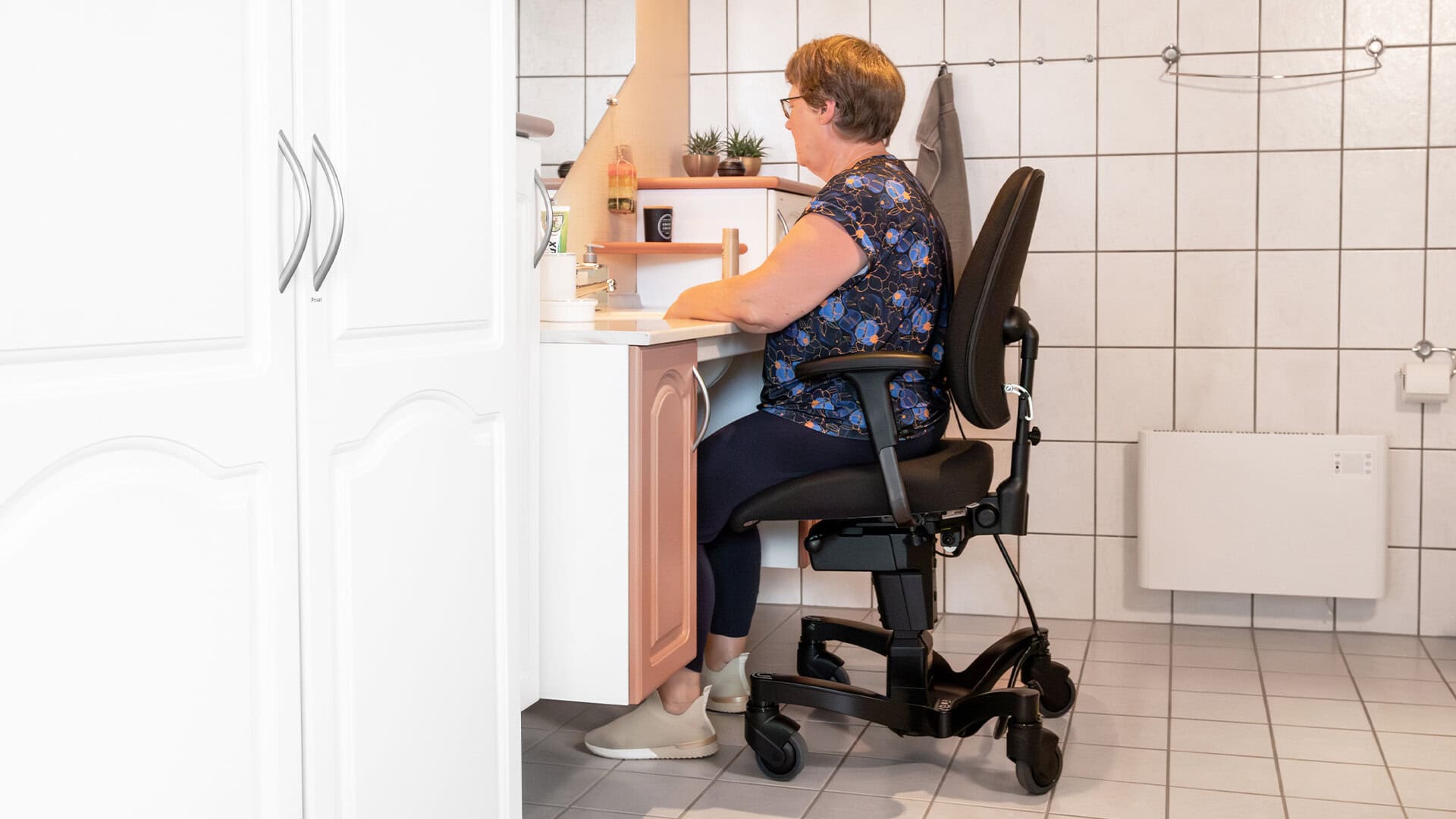
While traditional nursing homes meet the needs of many seniors, not all prefer or require a structured facility. For elderly individuals desiring to maintain autonomy in their own homes, solutions like the VELA Independence Chair present valuable alternatives. This medically approved mobility chair is designed for home use, ensuring safety and freedom of movement while also providing substantial support for daily activities such as cooking, dressing, or transferring. The VELA chair reduces caregiver strain by facilitating caregiver interactions and minimizing the need for hands-on assistance. With the latest advances, ergonomic designs such as wearable exoskeletons and customizable seating surfaces further support independence at home, while minimizing caregiver injury and promoting user comfort Harvard Aging Brain Study, 2025 Meyland-Smith.com, 2025.
Staying Independent at Home with Support
Mobility solutions like the VELA Chair offer significant benefits to older adults wishing to maintain their independence at home. Unique features such as a central brake for enhanced safety and electric height adjustability make everyday tasks more accessible, and the ease of movement while seated aids in energy conservation. Additional advances in smart mobility devices now include AI-driven adaptability to user movement patterns and integrated sensor technology, which improve safety and user engagement, helping to delay or potentially eliminate the need for nursing home care Journal of Geriatric Physical Therapy, July 2025 Meyland-Smith.com, 2025. The chair upholds values like dignity, freedom, and safety, proving itself as a practical addition to home care. Although not the only solution, it stands as a trusted and ergonomic option that supports aging in place effectively. For more information on how mobility aids can enhance individual independence, one may explore Mobility Aids for Nursing Homes, which offers insights into improving quality of life in residential settings.
AOTA, 2025
CMS, 2025
Journal of Geriatric Physical Therapy, July 2025
WHO, 2025
Mayo Clinic, 2025
Harvard Aging Brain Study, 2025
IDPH, July 2025
IDPH Q1 2025
CMS, March 2025
CMS, September 2025
Medicare.gov, September 2025
Meyland-Smith.com, 2025
Illinois HFS, 2026
HFSRB, 2026
Illinois DHS, 2026